
Herd Quality Built Through Deliberate Decisions
Trophy Animal Management in Corrigan for landowners and hunting operations focused on improving genetics and habitat conditions

East Texas wildlife management requires a thoughtful approach that takes into account the land, the animals, and the changing conditions throughout the year. At Stafford Whitetails and Exotics, we focus on responsible herd management practices that support healthy wildlife populations and help maintain quality hunting opportunities for years to come.
Our management approach includes habitat improvements, careful observation of herd health, nutritional planning, and responsible breeding practices. By paying attention to the needs of the land and the animals, we help create an environment where wildlife can thrive naturally while supporting long-term goals for ranchers and hunters.
Good wildlife management starts with understanding the property. We evaluate habitat conditions, available forage, water sources, and overall herd balance to help develop a plan that fits each ranch's unique needs. Our goal is to provide practical guidance that supports healthy animals, sustainable land use, and a better hunting experience.
Contact us to discuss your property goals and learn how thoughtful wildlife management can benefit your ranch.
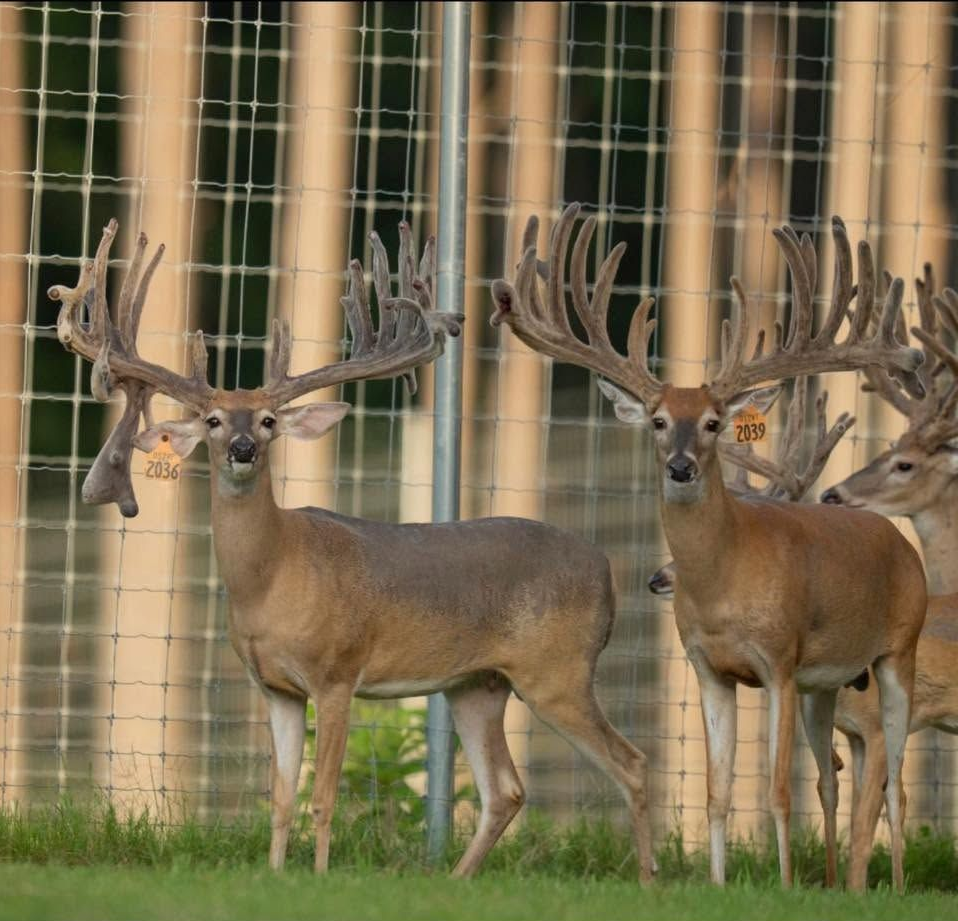
Building a Healthier Herd for the Future
Successful wildlife management starts with understanding the land, the animals, and the conditions that affect herd health. Through careful observation, field experience, and responsible planning, we help landowners make informed decisions that support a healthy and sustainable wildlife population.
Every property is different, which is why management plans should be built around the unique needs of the land. Factors like available forage, habitat quality, water sources, and herd balance all play an important role in creating the right environment for wildlife to thrive. Supplemental nutrition and habitat improvements can also help support animals during key times of the year when natural resources are limited.
Over time, thoughtful management can lead to healthier animals, improved habitat conditions, and better overall hunting experiences. The goal is not just short-term results, but creating a property that can support quality wildlife and memorable outdoor experiences for years to come.
By maintaining a proper balance between the land and the animals it supports, ranch owners can help protect their property’s natural resources while continuing the traditions of responsible Texas wildlife management.
Frequently Asked Management Questions
Landowners and hunting operations exploring trophy management often need clarification on timelines, costs, and realistic expectations for improvement.
How long before management changes produce visible results?
Initial improvements in body condition and fawn survival appear within one to two years, but significant antler quality gains typically require three to five years as younger, genetically superior bucks mature. Properties starting from poor baseline conditions need longer improvement periods than properties making incremental adjustments to already functional herds.
What role does selective breeding play in trophy development?
Controlled breeding allows pairing of superior genetics while preventing inferior males from reproducing. Over multiple generations, this concentrates desirable traits like large frame size, heavy antler mass, and increased tine length. The ranch's acreage supports breeding pens and population segregation necessary for genetic control that open-range properties cannot achieve.
How does East Texas habitat affect management strategies?
The region's clay soils, pine-hardwood forests, and seasonal precipitation patterns influence browse availability and require different nutritional supplementation compared to South Texas brush country or Hill Country limestone ranges. Stafford Whitetails and Exotics adjusts management practices based on local soil fertility, native plant communities, and Corrigan's specific growing season characteristics.
What population density supports trophy quality versus maximum animal numbers?
Lower densities generally improve trophy potential by reducing competition for food and allowing individual animals to express full genetic capability. The ranch maintains populations well below carrying capacity to prioritize quality, accepting fewer total animals to produce superior individuals. Properties maximizing animal numbers for hunting volume typically sacrifice average trophy quality.
Can management practices apply to both native whitetail and exotic species?
Core principles remain similar—habitat quality, nutrition, genetics, and population control—but specific techniques vary by species. Exotic species like axis deer or blackbuck require different breeding management, nutritional profiles, and harvest strategies compared to native whitetail. The ranch implements species-specific programs based on biological requirements and management objectives for each animal type.
Stafford Whitetails and Exotics applies herd management practices developed through years of working with native and exotic species on East Texas rangeland. Contact the ranch to discuss your current herd conditions, improvement goals, and how strategic management practices can support long-term trophy development on your property or hunting program.